
The human digestive tract is long—and often silent.
Many lesions do not produce pronounced symptoms in their early stages. By the time warning signs such as pain, bleeding, difficulty swallowing, anemia, or weight loss appear, the disease may already have been progressing for some time. One of medicine’s essential tasks is to identify problems before the body begins to “sound the alarm.”
This is precisely where the core value of gastrointestinal endoscopy lies.
It is far more than a diagnostic examination. For physicians, an endoscope serves as a pair of “eyes” that can enter the digestive tract—allowing direct visualization of mucosal changes in the esophagus, stomach, duodenum, colon, and rectum. When necessary, tissue samples can be collected for pathological evaluation. When clinically indicated, therapeutic procedures such as hemostasis, polyp removal, and foreign-body retrieval can also be performed.
An analysis based on GLOBOCAN 2022 data from the International Agency for Research on Cancer (IARC) shows that China recorded approximately 359,000 new cases of gastric cancer and 517,000 new cases of colorectal cancer in 2022, bringing the combined total to nearly 880,000 cases.[1]
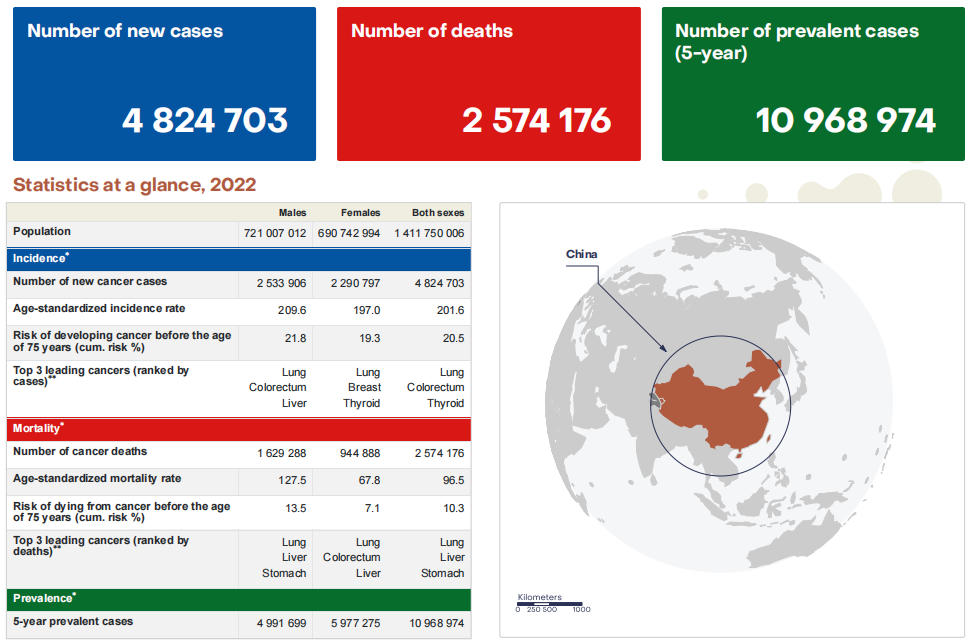
Behind these figures lies not only the pressure of cancer treatment, but also a long-term challenge to healthcare capacity in screening, diagnosis, follow-up, and the allocation of endoscopy resources.
01 The Established System for Reusable Endoscopy
Reusable endoscopes remain an essential foundation of modern gastrointestinal endoscopy.
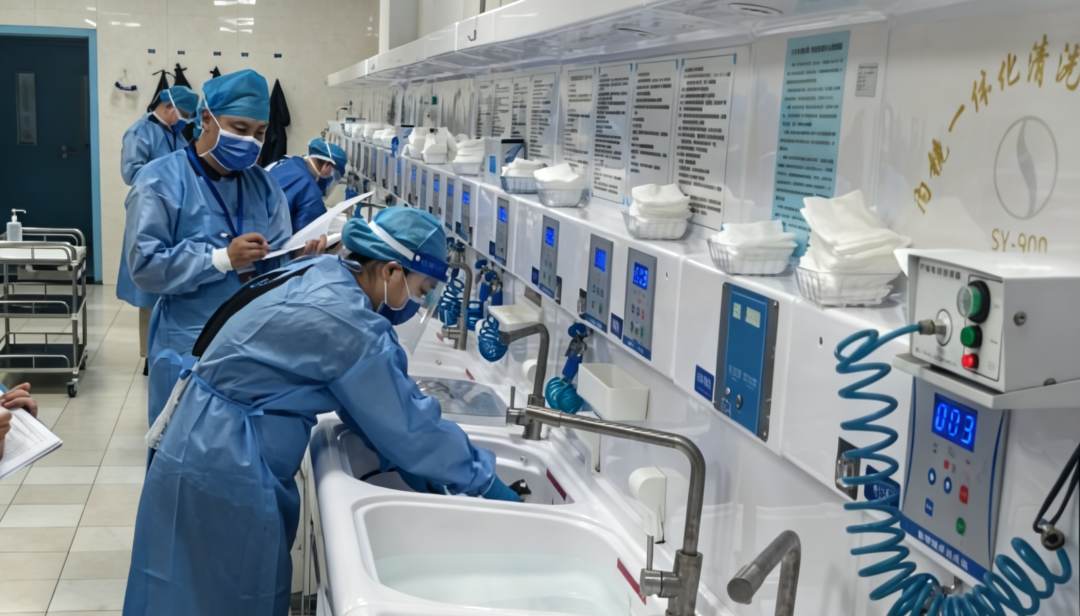
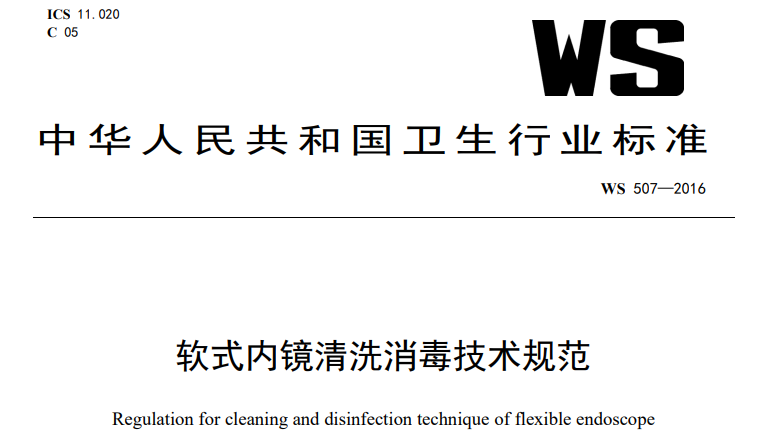
In an established endoscopy center, after each procedure, a flexible endoscope must undergo a standardized reprocessing workflow: point-of-use pre-cleaning → leak testing → cleaning → rinsing → disinfection or sterilization → drying → storage → quality monitoring. Only after these steps can it return to clinical use.[2]
Developed and refined through years of clinical practice, this system supports a vast number of routine gastrointestinal examinations and complex endoscopic procedures.
02 Clinical Care Settings Are Becoming More Complex
In the past, gastrointestinal endoscopy was largely regarded as a routine service performed within an endoscopy center. Today, it is moving into a growing range of clinical settings:
ICU Patients
Patients who rely on mechanical ventilation, continuous monitoring, circulatory support, and other life-sustaining equipment may not be suitable for frequent transport solely for an examination. In such circumstances, bedside endoscopy becomes a practical necessity.
Emergency Upper Gastrointestinal Bleeding
Upper gastrointestinal bleeding can occur suddenly, making timely examination and intervention critical. The ESGE guideline recommends that patients undergo early upper gastrointestinal endoscopy within 24 hours following hemodynamic resuscitation.[3] The immediate availability of endoscopy equipment can therefore have a direct impact on patient outcomes.
Intraoperative Use
During surgery, endoscopy may be required for lesion localization, anastomotic inspection, or intraluminal hemostasis. Endoscopy therefore needs to “enter the operating room.”
Patients at Elevated Infection Risk
In cases involving multidrug-resistant organism infections, immunosuppression, or other elevated infection risks, more stringent requirements are placed on device turnaround, reprocessing, and infection prevention and control procedures.
If the endoscopy center is viewed as a well-established railway system, single-use endoscopy is more like a branch line that can be dispatched according to clinical needs. It does not require changes to the main line, but it can help endoscopy reach clinical settings that existing equipment may not be able to cover in a timely manner. “Ready to use upon opening, one patient, one scope” is the starting point of this flexibility.
As clinical scenarios become increasingly unpredictable, which international consensus statements define clear safety boundaries for single-use endoscopy?
References
[1] International Agency for Research on Cancer. Global Cancer Observatory: China Fact Sheet, GLOBOCAN 2022 [R]. Lyon: IARC, 2024.
[2] National Health and Family Planning Commission of the People’s Republic of China. WS 507—2016 Technical Regulation for the Cleaning and Disinfection of Flexible Endoscopes [S]. 2016.
[3] Gralnek IM, Stanley AJ, Morris AJ, et al. Endoscopic diagnosis and management of nonvariceal upper gastrointestinal hemorrhage: ESGE Guideline—Update 2021 [J]. Endoscopy, 2021, 53(3): 300–332.