New Endoscopic Paths: Expanding the Boundaries of Diagnosis and Treatment
In the minds of many, gastrointestinal (GI) endoscopy is a "routine clinical procedure." However, within the healthcare system, its safety guarantee actually relies on a comprehensive, highly standardized protocol.
From the moment a flexible endoscope is removed from a patient to when it is redeployed in the clinic, the process is far more complex than simple "cleaning + disinfection." It represents an entire chain that integrates protocols, personnel, and management.
Flexible Endoscope Reprocessing: A Rigorous and Standardized Regulatory System
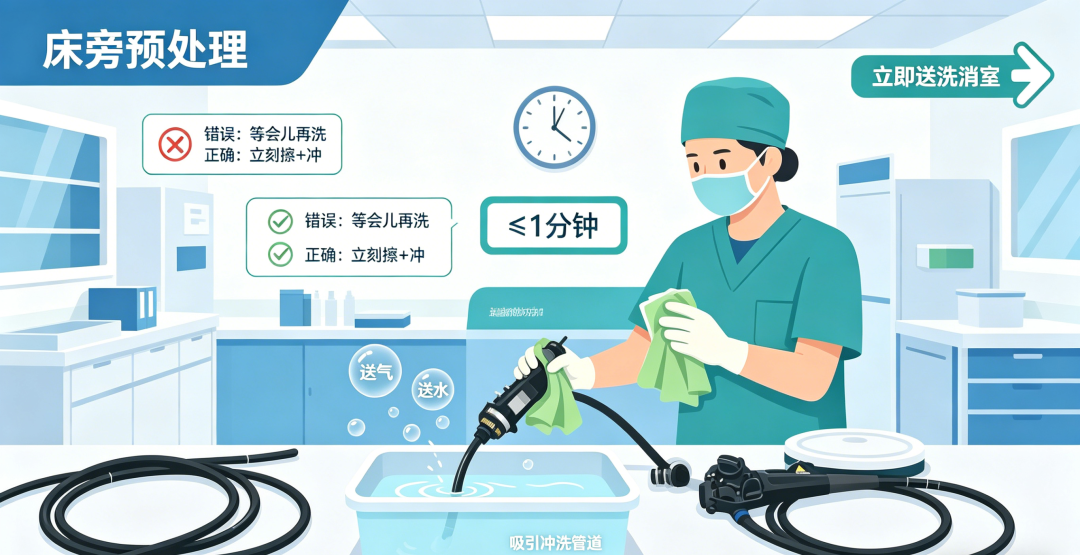
According to China's *WS 507-2016* standard and relevant international guidelines (such as ESGE and CDC), flexible endoscope reprocessing must achieve High-Level Disinfection (HLD) through multiple standardized steps, including bedside pre-cleaning, disinfection, drying, storage, and quality monitoring.
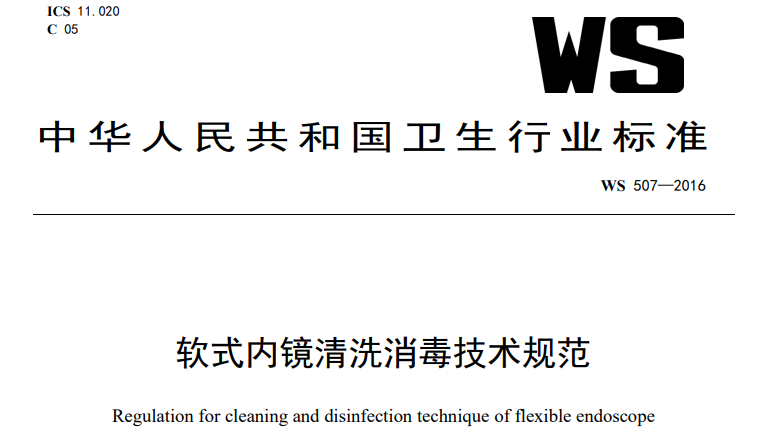
The essence of this system lies in ensuring that every single scope is in a controllable and safe condition before its next use.
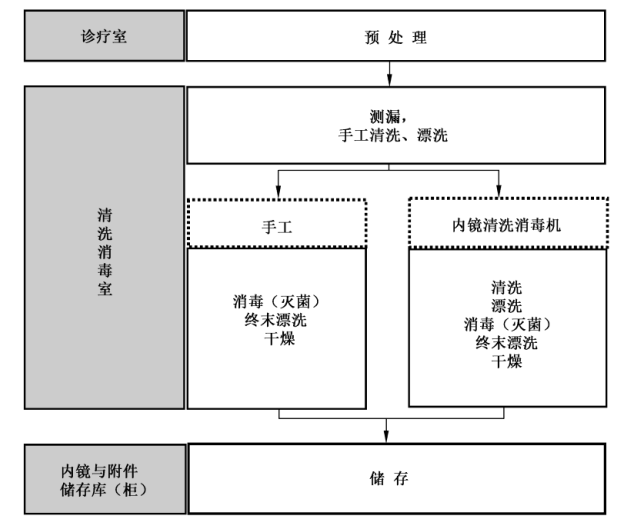
Validated by long-term clinical practice, this system has become an essential foundation for the global application of digestive endoscopy. Its reprocessing workflow is rigorous and complete, requiring a high level of execution consistency, as deviations in any step could be amplified in clinical outcomes.
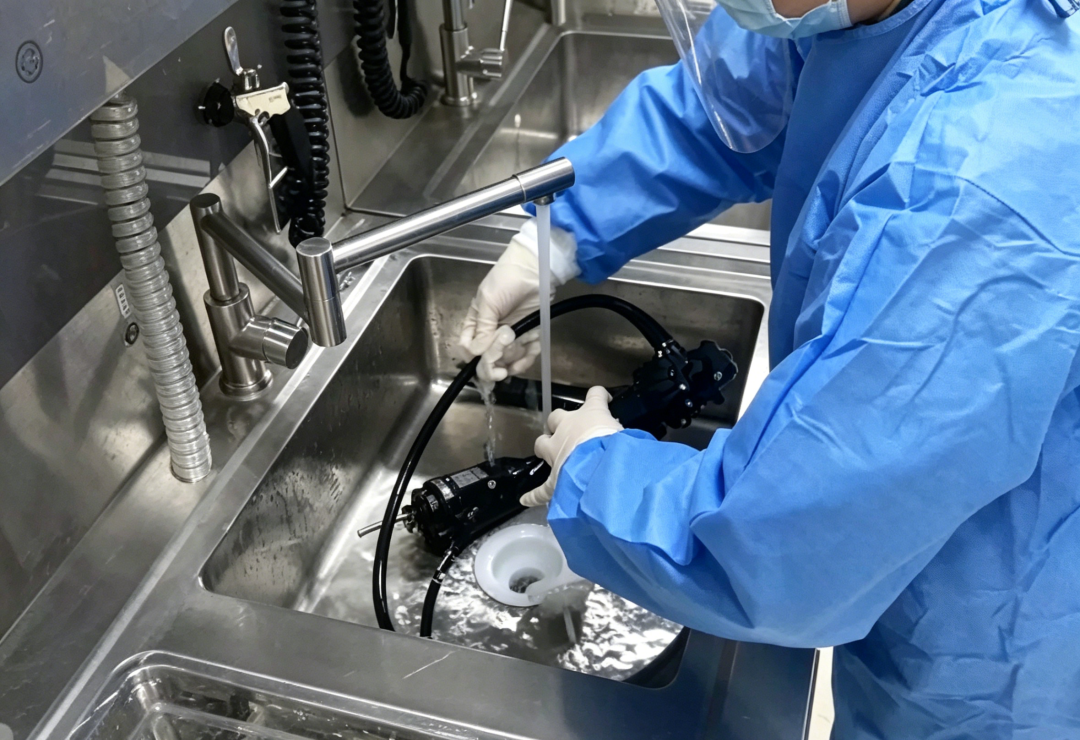
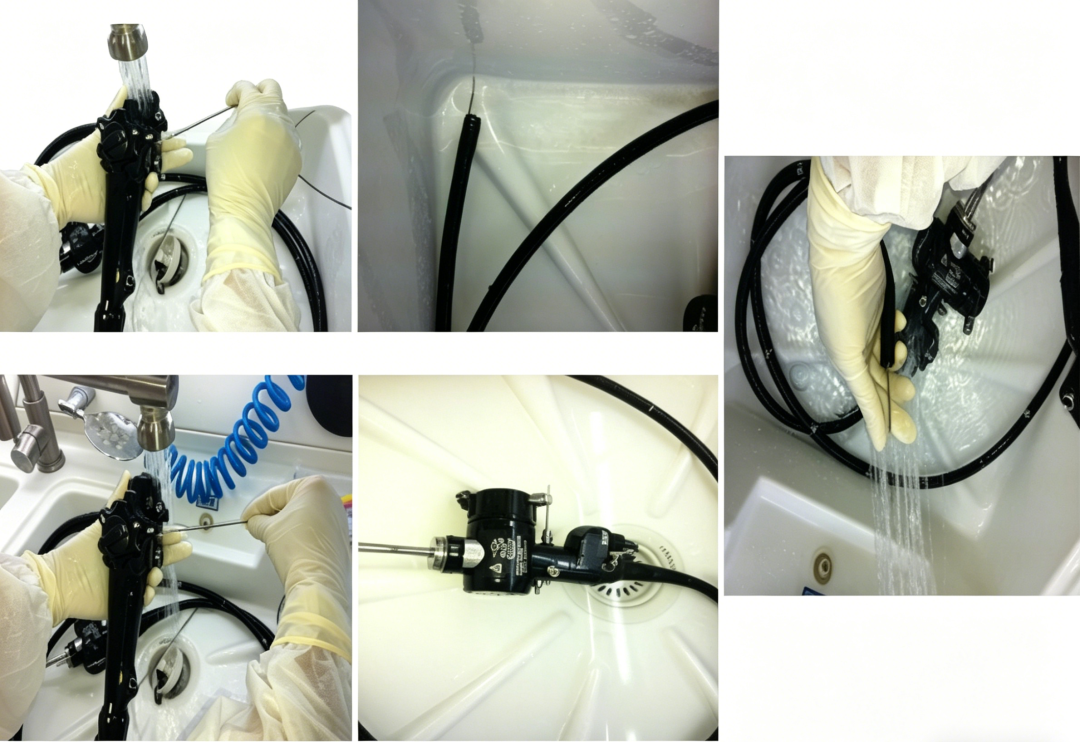
Reprocessing Systems in Clinical Practice: The Balance Between Efficiency and Resources
Under standardized systems, the reprocessing workflow for flexible endoscopes offers stability and reproducibility. However, in actual clinical operations across various scenarios, it still faces certain resource and efficiency constraints:
01 Time and Operational Scheduling
The time consumed by the reprocessing workflow after each procedure is influenced by equipment configuration and workflow design. In scenarios featuring limited scope inventory, concentrated procedural demand, or cross-departmental utilization, turnover efficiency directly impacts patient wait times and scheduling stability. Consequently, the entire operation is highly dependent on workflow management capabilities.
02 Cost Structure and Continuous Investment
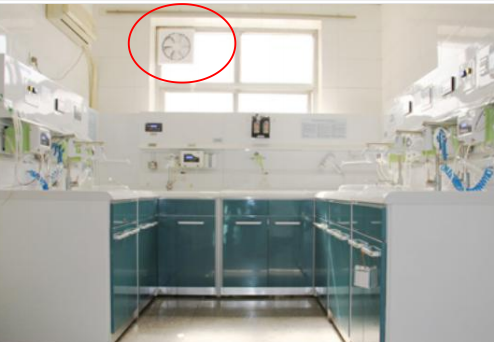
The total cost of an endoscopy system extends far beyond the capital equipment itself; it encompasses the construction of dedicated reprocessing spaces, automated endoscope reprocessors (AERs), consumables, water and electricity consumption, staffing and training, and long-term maintenance, creating a fragmented yet continuous operational cost structure.
03 Performance Stability and Consistency
During high-frequency use and repeated reprocessing cycles, endoscopes can exhibit varying degrees of wear and tear. Their mechanical handling feel and imaging performance may change over their life cycle, which poses a heightened challenge for maintaining clinical operational experience and stability.
These factors are not flaws inherent to the system itself, but rather realistic operational constraints that naturally arise under a "process-dependent" operational model.
Extension of the Technical Path: The Clinical Value of Single-Use Endoscopes
As medical scenarios continue to expand (emergency departments, ICUs, health check centers, primary care, emergency rescue, etc.), endoscope utilization is shifting from a "centralized" model to a "multi-scenario" paradigm. Under this trend, the traditional operational model relying heavily on reprocessing workflows faces new challenges in efficiency and resource allocation.
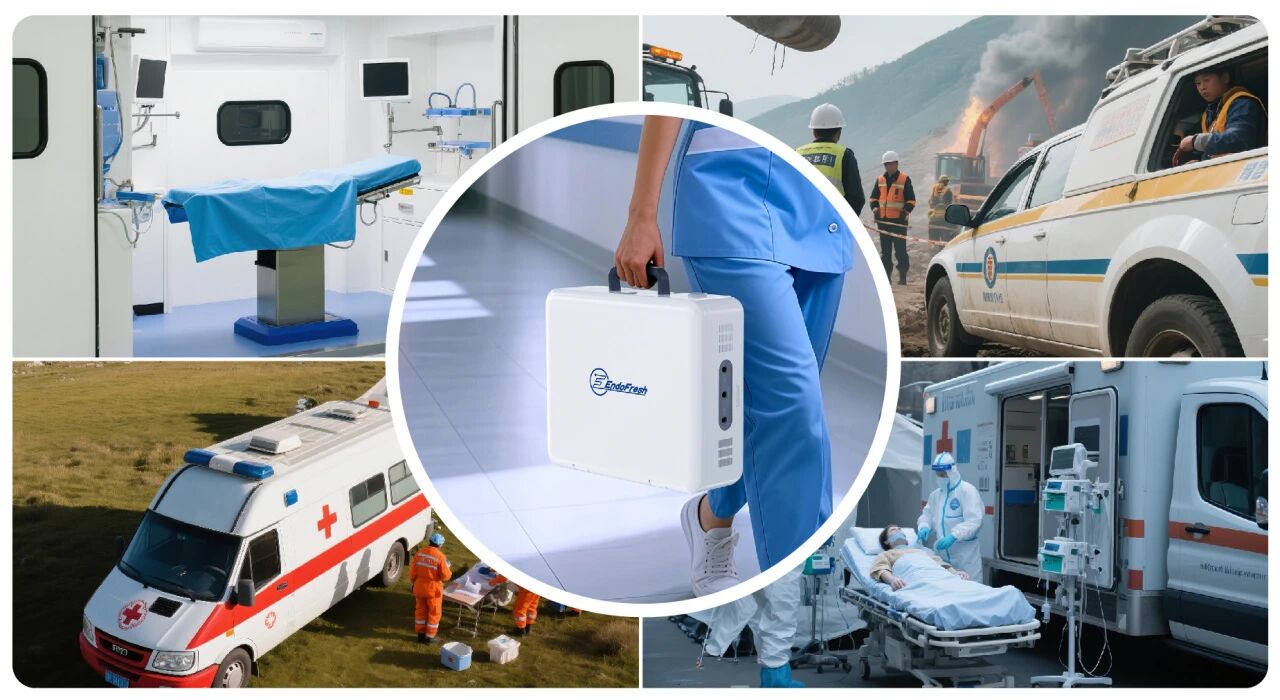
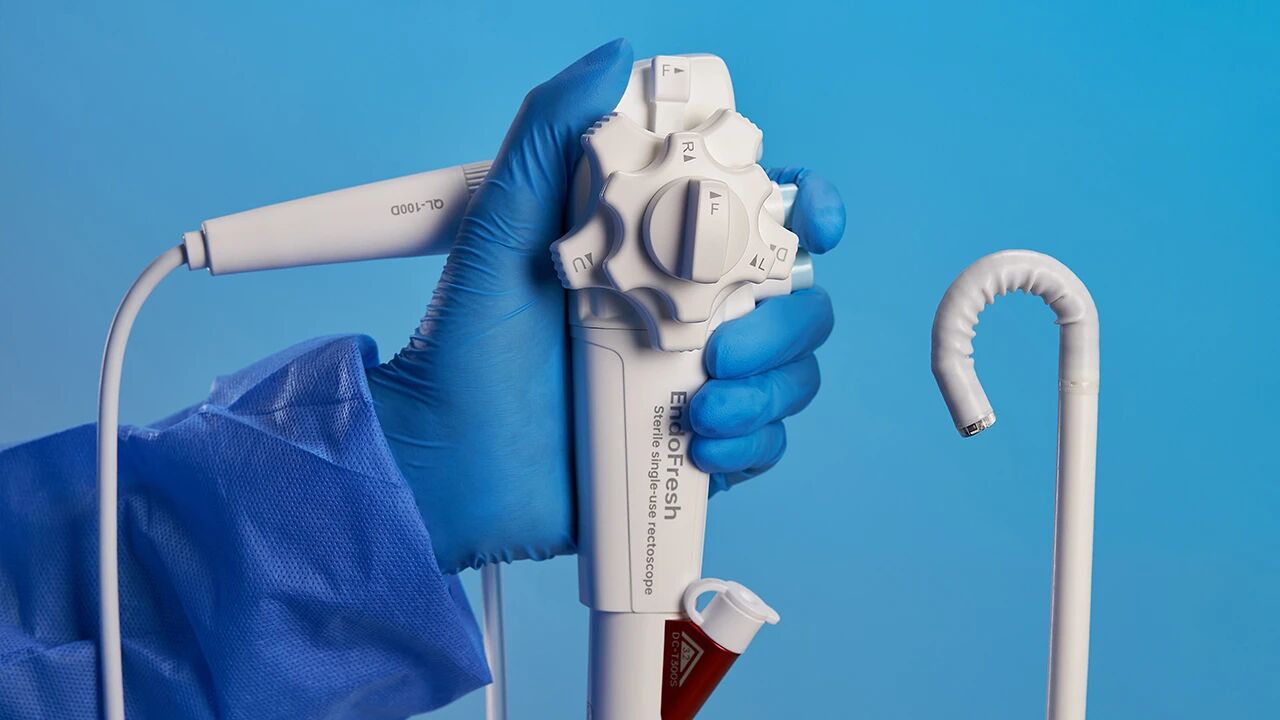
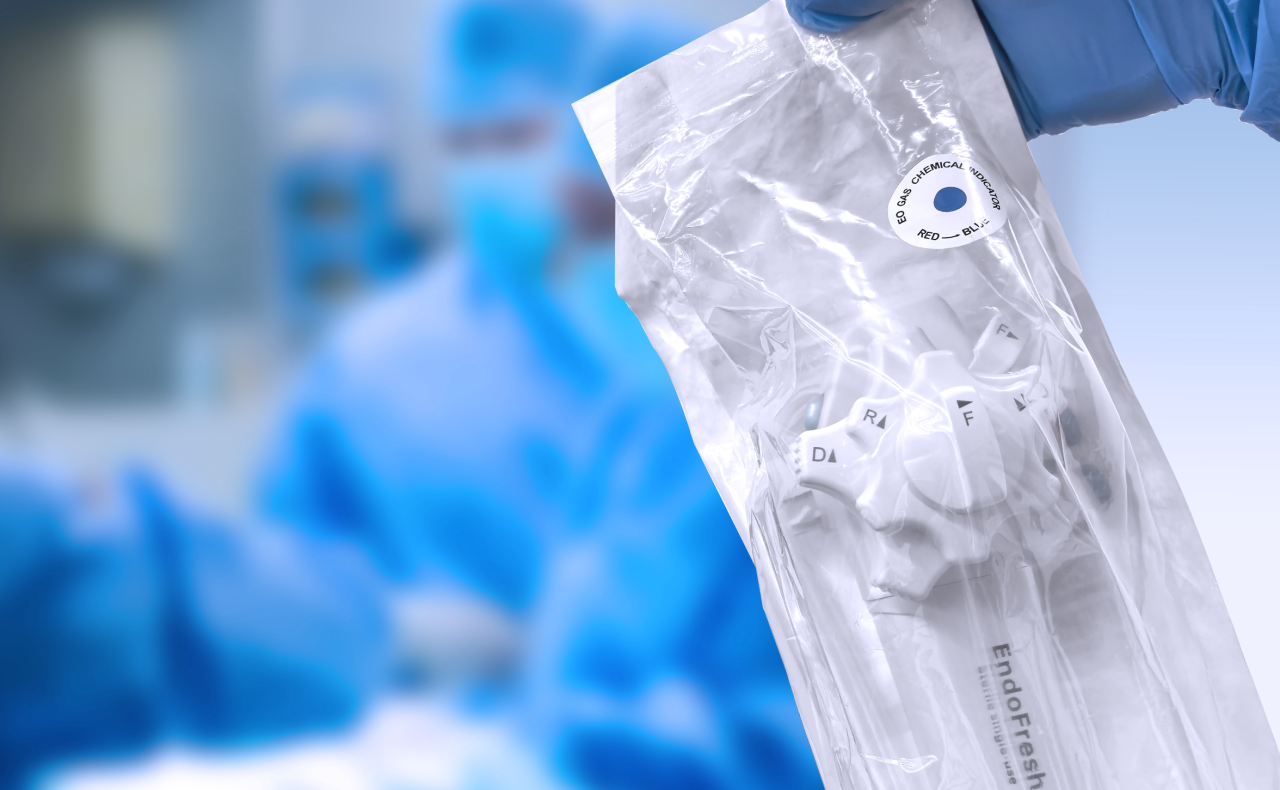
Single-use endoscopes have begun entering the clinical spotlight as a novel technical alternative. Taking the EndoFresh® portable endoscope system as an example, its value is reflected not only in being "reprocessing-free" itself, but also in how it addresses clinical pain points at a systemic level:
Lowering Procedural Barriers:The highly integrated design allows for out-of-the-box readiness without complex installation or calibration, significantly reducing reliance on traditional reprocessing equipment and dedicated infrastructure.
Enhancing Scheduling Flexibility: Free from the constraints of scope turnover and maintenance cycles, it achieves "immediate retrieval and use" in emergency rooms, ICUs, intraoperative settings, infectious disease wards, and emergency rescue scenarios, completely eliminating cross-infection at the source.
Guaranteeing Performance Consistency:Every procedure utilizes a brand-new scope body, avoiding the structural wear and performance fluctuations associated with repeated use, thereby ensuring a stable tactile experience and reliable imaging quality.
The Evolution of Digestive Endoscopy: Moving Toward Parallel Pathways
Judging by industry trends, mature reprocessing systems continue to secure routine diagnosis and treatment, while the single-use endoscopy technical pathway serves as a vital complement to the existing framework. By mitigating process complexity, it strikes an alternative balance among efficiency, cost, and safety.
From the workflow of a single endoscope, one can see the core essence of medical safety: it relies heavily on rigorous procedural frameworks, yet continuously benefits from innovative technical breakthroughs.Regardless of the chosen approach, the ultimate goal remains the same—to continuously elevate the level of safety and protection for both patients and healthcare workers within a controllable and standardized environment.
As an innovative brand in single-use endoscopes, EndoFresh® will continue to focus on clinical needs, exploring further possibilities for the future of healthcare.