
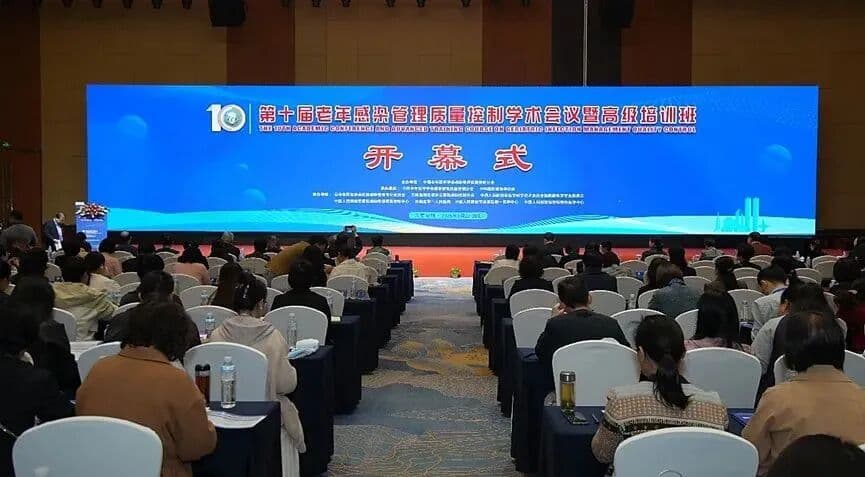
Recently, the 10th Academic Conference on Quality Control of Infection Management in the Elderly was successfully held in Kunming, Yunnan. More than 900 professionals from medical institutions at all levels, elderly care institutions, and disease control agencies across China attended the event.
The conference was hosted by the Infection Management Quality Control Branch of the Chinese Geriatrics Society and co-organized with the Chinese Journal of Nosocomiology, with support from several provincial and military professional committees and hospitals. During the meeting, leaders from national health authorities and renowned experts in infection prevention and control, disinfection, and clinical infectious disease management delivered keynote presentations, academic exchanges, and technical training sessions.
Against the backdrop of global population aging, actively addressing aging has become a national strategic priority. The National Health Commission of China recommends gastrointestinal endoscopy screening for people over the age of 40. As demand for endoscopic diagnosis and treatment continues to grow, the importance of infection prevention and control becomes increasingly prominent. With its single-use design that eliminates infection risks, the EndoFresh® single-use digestive endoscope has become a strong support for infection control in endoscopic procedures.
The Current Situation of Endoscopic Infection Prevention Is Challenging
More than 60 thematic presentations were organized during the conference to address infection management and prevention in elderly patients. Notably, infection control issues related to endoscopic procedures became a major focus of attention, with many infection control experts presenting research findings and reports on this topic.
Infection control experts conducted an in-depth analysis of the severe challenges associated with the cleaning, disinfection, and infection control of flexible endoscopes. The current reprocessing workflow for flexible endoscopes involves multiple steps including pre-treatment, leak testing, cleaning, rinsing, disinfection and sterilization, final rinsing, and drying. Failure in any step may lead to microbial contamination and even biofilm formation, potentially resulting in cross-infection among patients and serious adverse outcomes, while also exposing healthcare workers to infection risks.
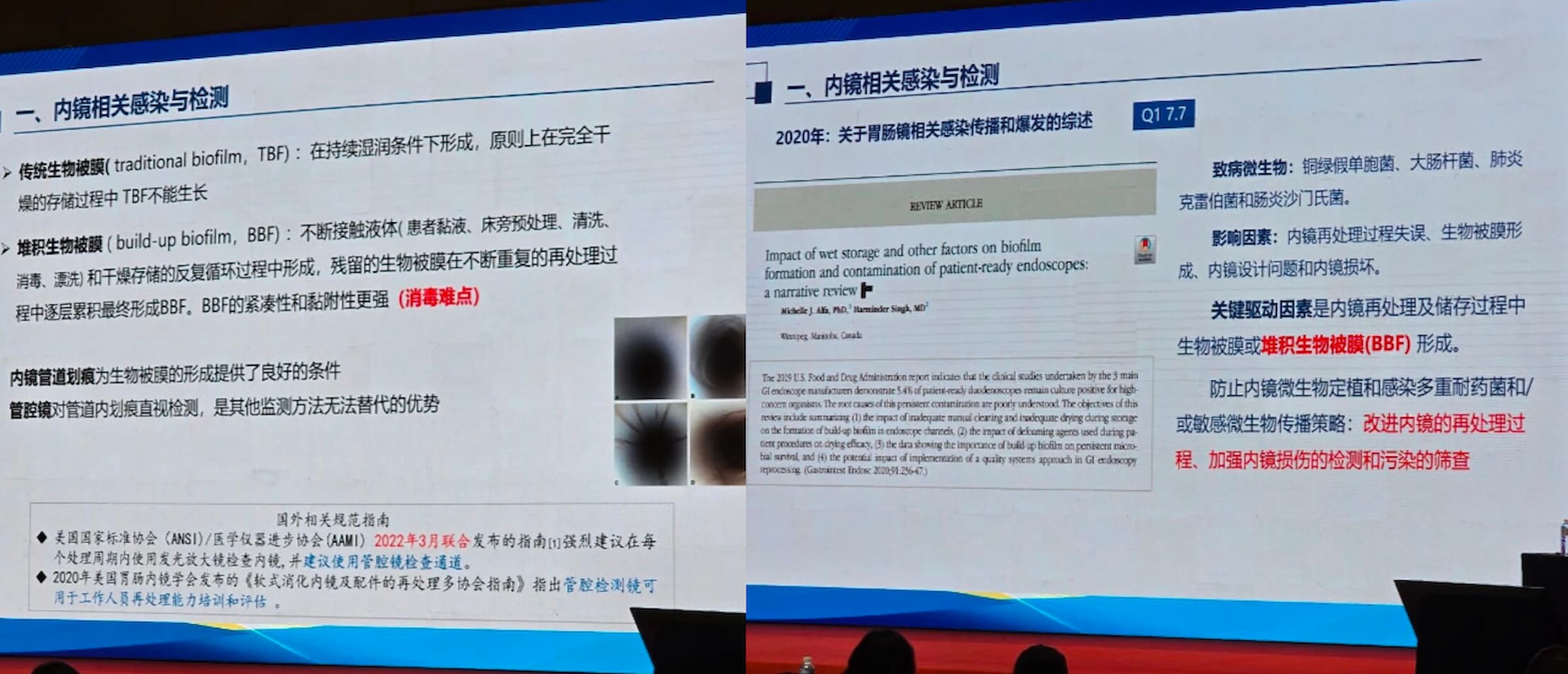
According to infection control experts, biofilms present in cleaned endoscopes may still release viable bacteria. Without destructive sampling or electron microscopy examination, it is difficult to completely detect their presence.
Professor Liu Yunxi, Director of the Department of Disease Prevention and Control at the First Medical Center of the Chinese PLA General Hospital and chairman of the conference, introduced the necessity and objectives of revising the WS507-2016 “Technical Specification for Cleaning and Disinfection of Flexible Endoscopes.” Through practical cases, he explained existing challenges as well as the requirements and background of relevant international and domestic guidelines and standards, providing guidance for endoscope cleaning, disinfection, and storage.
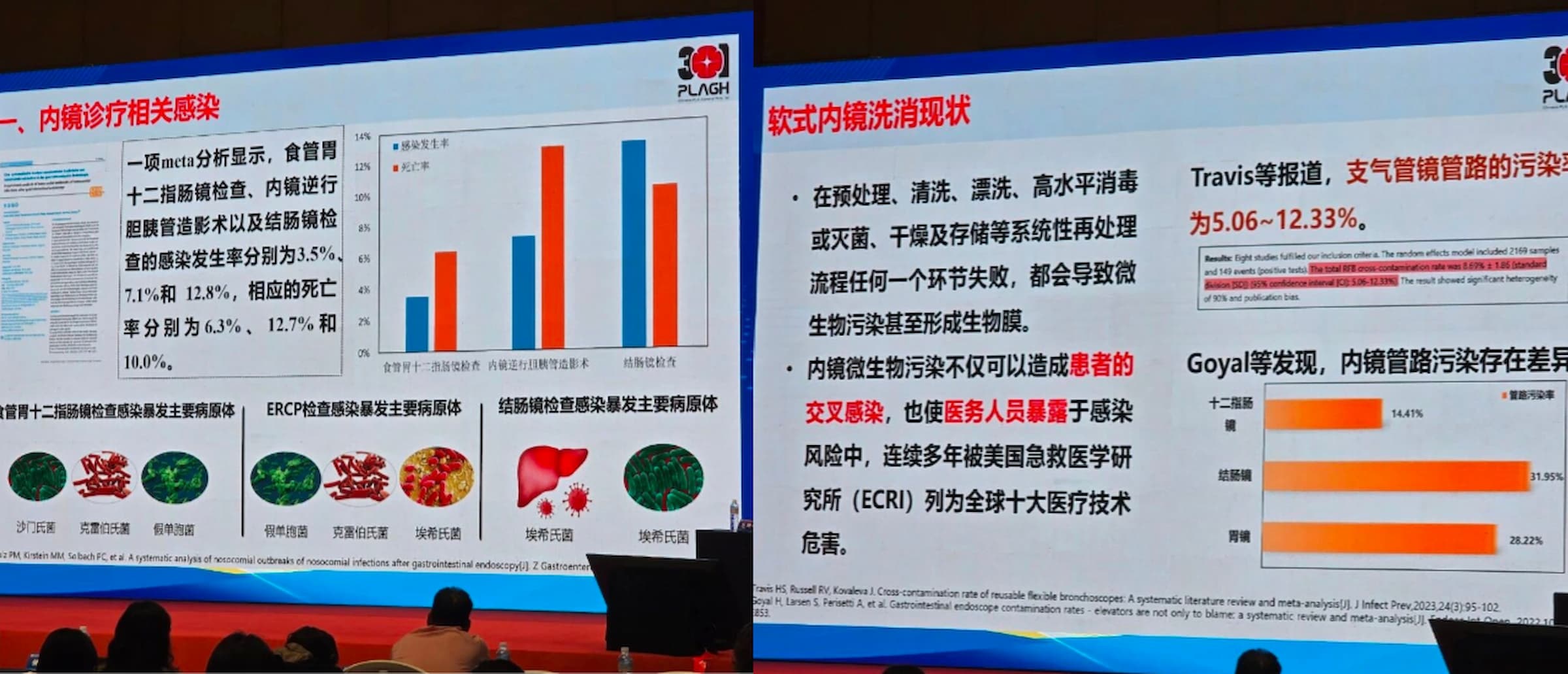
He pointed out that the incidence of infections related to endoscopic diagnosis and treatment should not be underestimated. Procedures such as esophagogastroduodenoscopy, endoscopic retrograde cholangiopancreatography (ERCP), and colonoscopy all carry certain rates of infection and mortality. Even when sampling appears safe, risks still exist in real clinical practice.
Advantages of the EndoFresh® Single-Use Digestive Endoscope
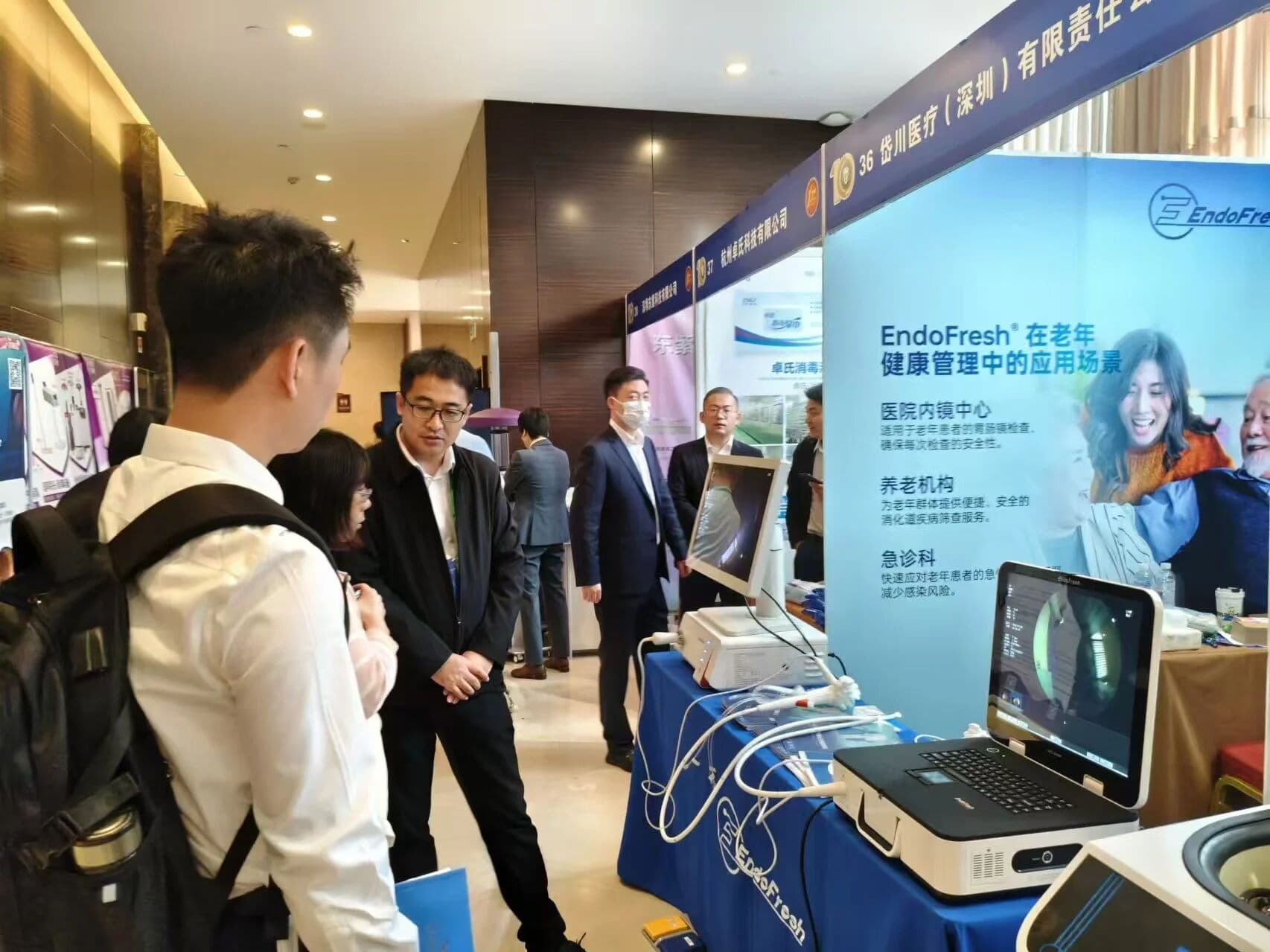
In this context, as a leading manufacturer of single-use digestive endoscopes, EndoFresh attracted significant attention from conference participants with its EndoFresh® single-use digestive endoscope. The product offers numerous advantages and perfectly aligns with the conference’s focus on infection prevention and control in endoscopic procedures.
# Eliminating the Risk of Cross-Infection
Unlike traditional reusable endoscopes that require complex cleaning and disinfection processes, the EndoFresh® single-use digestive endoscope follows the principle of one patient, one scope, and disposal after use, avoiding infection risks caused by reprocessing errors or biofilm formation.
Experts at the conference also emphasized that during repeated use, scratches within the channels of traditional endoscopes can easily lead to biofilm formation. Even after disinfection, bacteria within the biofilm may survive and reproduce during storage. The EndoFresh® single-use digestive endoscope completely eliminates this risk point, providing a safer diagnostic and treatment environment for both patients and healthcare professionals.
# Outstanding Product Quality and Performance
During research, development, and manufacturing, the EndoFresh® single-use digestive endoscope strictly adheres to high standards to ensure clear imaging, flexible maneuverability, and strong compatibility, providing physicians with reliable diagnostic support and contributing to precision medicine.
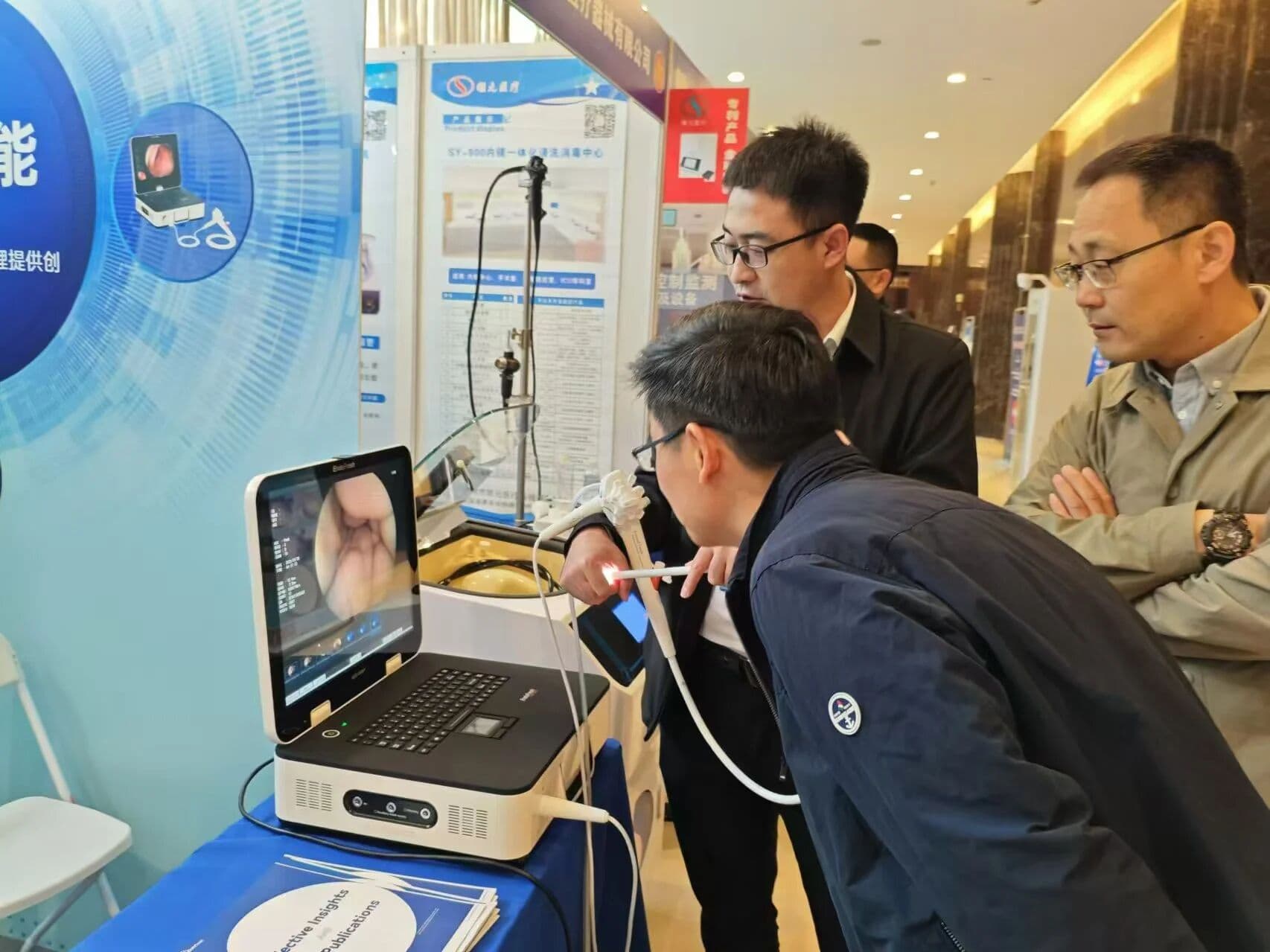
During on-site demonstrations and exchanges, infection control experts personally experienced the device and highly praised the performance of the EndoFresh® single-use digestive endoscope. They noted that in terms of image clarity and operational convenience, it is fully comparable to the industry’s leading reusable endoscopy systems.
Moving Forward Together, Looking Toward the Future
At this conference on infection control in the elderly, EndoFresh actively showcased its innovative achievements and technological capabilities in the field of single-use digestive endoscopy and engaged in in-depth exchanges with many infection control experts.
In the future, EndoFresh will continue to uphold a spirit of innovation, constantly improving product quality and enhancing service capabilities. By providing safer and more efficient single-use digestive endoscopy products, the company aims to support the development of infection control in elderly healthcare while delivering high-quality diagnostic and treatment experiences for patients worldwide, ultimately contributing to human health.