
Recent outbreaks of the Nipah virus in West Bengal, India have once again drawn global attention to vulnerabilities within healthcare systems.

With a reported fatality rate ranging from 40% to 75%, an incubation period of up to 45 days, and no approved vaccine or specific antiviral treatment available, Nipah virus represents a significant public health threat.
Confirmed cases have included healthcare workers, highlighting the risks of nosocomial transmission and person-to-person spread, primarily through infected bodily fluids and close contact.
This is not a distant public health headline — it is a direct warning to healthcare systems worldwide.
Endoscopy Safety Under High-Threat Pathogens
In the context of high-fatality pathogens such as Nipah virus, safety mechanisms relying solely on procedural compliance or operational accuracy face inherent limitations.
Using gastrointestinal endoscopy as an example
Gastrointestinal endoscopy is a routine yet invasive procedure involving complex device structures and long, narrow channels. Even under strict cleaning, disinfection, and reprocessing protocols, risks may persist due to device damage, hard-to-clean areas, or human error. When confronting pathogens characterized by high mortality, prolonged incubation, bodily fluid transmission, and environmental resilience, even minimal lapses can lead to severe consequences.
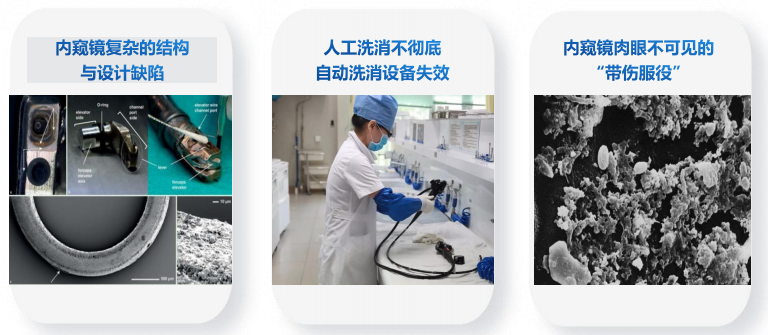
This represents one of the most vulnerable points within healthcare systems during outbreaks of high-threat infectious diseases.
The Value of Single-Use Endoscopy: Structural Safety by Design
Single-use endoscopy is not merely a matter of convenience — it represents a structural approach to eliminating potential transmission pathways.
Taking the EndoFresh® Single-Use Endoscopy System as an example:
- Ready-to-use, sterile out of package, and disposed after a single procedure — eliminating transportation, cleaning, and reprocessing.
- One patient, one scope — eliminating cross-use and reducing the possibility of residual pathogen transmission.
- Reduced dependence on equipment performance, human factors, or workflow stability, minimizing infection risks associated with reprocessing.
- Providing dual protection for both healthcare professionals and patients by reducing exposure risks.
- During outbreak situations or high-risk scenarios, minimizing healthcare workers’ exposure to contaminated bodily fluids during device handling.
Establishing Baseline Protection Against the Unknown
Nipah virus is neither the first nor the last pathogen to challenge healthcare systems at their limits. From SARS and MERS to COVID-19 and now Nipah virus, each outbreak reinforces the same lesson:
Reliable medical safety cannot depend solely on probability assessments or procedural assumptions.
Through its “one patient, one scope” design, single-use endoscopy offers healthcare institutions a pathogen-agnostic safety solution.By shifting infection control to the device level, it helps reduce the risk of cross-contamination within clinical environments.
Redefining the Foundations of Medical Safety
As global public health uncertainty continues to rise, single-use endoscopy is no longer merely a disposable product, but a critical component of modern infection control infrastructure.
EndoFresh® is committed to advancing single-use gastrointestinal endoscopy technologies, supporting healthcare institutions in building safer and more controllable defenses against high-threat pathogens.